
The Asthma-Friendly Plate: 12 Foods that help you breathe easier

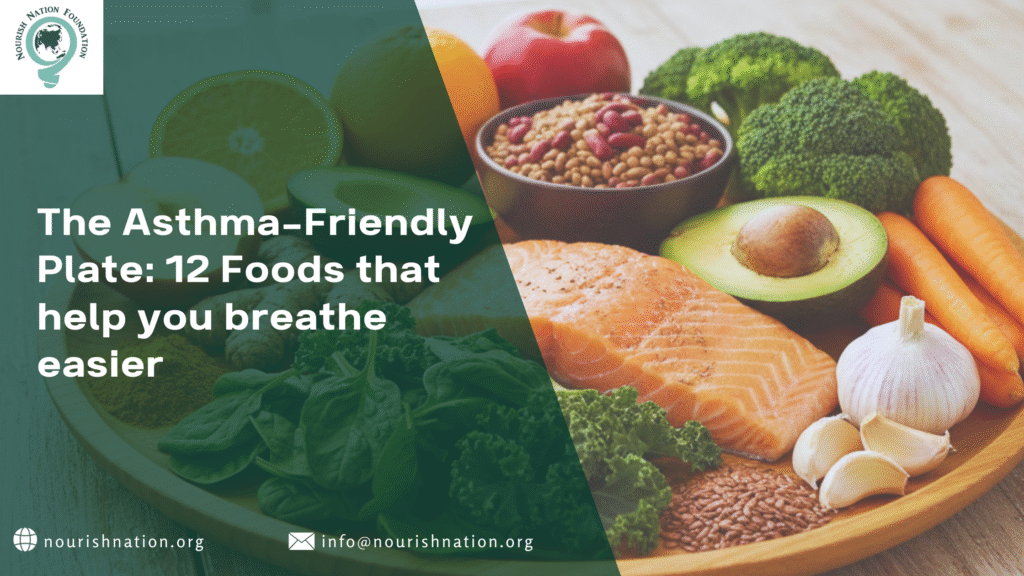
Nearly 25 million Americans live with asthma, experiencing recurring periods of wheezing, chest tightness, and difficulty breathing. While medications remain essential for managing this chronic condition, emerging research reveals that what you eat can significantly impact your breathing. From salmon dinners to morning smoothies packed with berries, certain foods contain powerful compounds that reduce inflammation, open airways, and strengthen your lungs’ defenses.
Here are 12 scientifically-backed foods that can help you breathe easier.
1. Fatty Fish
Salmon, tuna, sardines, and other cold-water fatty fish are among the most powerful foods for asthma management, thanks to their high omega-3 fatty acid content.
According to research by Johns Hopkins Medicine, a six-month study of children from Baltimore City found that having more omega-3 fatty acids in the diet resulted in fewer asthma symptoms triggered by indoor air pollution. With each 0.1-gram increase in omega-3 levels, researchers observed 3 to 4 percent lower odds of daytime asthma symptoms.
According to a cross-sectional study published in PMC, adults with higher Omega-3 Index levels had better asthma control and required lower doses of inhaled corticosteroids. The researchers found that achieving an Omega-3 Index above 4% (equivalent to consuming 4-5 servings of oily fish per week or 800mg of EPA and DHA daily) was associated with significantly better asthma outcomes.
According to research by the University of Rochester Medical Center, omega-3 fatty acid products can reduce the production of IgE, the antibodies that cause allergic reactions and asthma symptoms in people with milder cases of asthma.
2. Apples
The old saying takes on new meaning when it comes to lung health. Apples have demonstrated remarkable protective effects against asthma.
According to research published in PMC, a study of 2,512 middle-aged Welsh men found that lung function was estimated to be 138 ml higher in those eating five or more apples per week compared with non-consumers. This association persisted even after adjusting for confounding factors including smoking, exercise, and total energy intake.
According to a meta-analysis published in PMC, both adults and children showed inverse associations between fruit intake and risk of prevalent wheeze and asthma severity. The antioxidants and flavonoids found in apples are believed to reduce airway inflammation and oxidation.
Many asthma patients report improvement when they incorporate fresh apples into their daily routine whether as a mid-morning snack, sliced into oatmeal, or paired with almond butter.
3. Tomatoes
Tomatoes and tomato-based products are rich in lycopene, a powerful antioxidant that has shown impressive benefits for lung health.
According to research published in PubMed, a study of 32 asthmatic adults found that treatment with both tomato juice and tomato extract (containing 45 mg lycopene/day) reduced airway neutrophil influx. Treatment with tomato extract also reduced sputum neutrophil elastase activity, an enzyme involved in lung tissue destruction.
According to a mouse model study published in The Journal of Nutritional Biochemistry, dietary lycopene supplementation decreased the response of inflammatory cytokines in the lungs, as well as a two-fold decrease in the number of eosinophils—white blood cells associated with allergic or asthmatic immune response.
People with asthma often benefit from consuming tomatoes in various forms: fresh in salads, as marinara sauce over whole grain pasta, in homemade salsa, or as tomato juice (which provides concentrated lycopene).
4. Leafy Greens
Spinach, kale, Swiss chard, and other dark leafy greens are packed with magnesium, a mineral that acts as a natural bronchodilator.
According to research published in PMC, plant-based foods centered diets have been shown to reduce pro-inflammatory molecules while increasing anti-inflammatory markers. Nutrients such as unsaturated fatty acids and antioxidants obtained from plant-based foods have been shown to attenuate inflammation and conditions driven by systemic inflammatory response.
According to a 2022 review published by Lompoc Valley Medical Center, magnesium had a positive effect on lung function and reduced asthma symptoms. Magnesium helps relax bronchial muscles, potentially making breathing easier.
Real-world tip: Many people add a handful of spinach to morning smoothies, sauté kale as a side dish, or use mixed greens as a salad base to ensure daily magnesium intake.
5. Oranges and Citrus Fruits
Citrus fruits are among the best sources of vitamin C, which has demonstrated antihistamine and anti-inflammatory effects beneficial for asthma.
According to research published by Florida Citrus, a meta-analysis combining several human clinical studies reported that vitamin C significantly reduced exercise-induced asthma symptoms by 48 percent in asthmatic adults and adolescents. Vitamin C is required to break down histamine, giving it an anti-histamine effect.
According to research published by Sharp HealthCare, compounds naturally found in citrus fruits may have an antihistamine effect, thereby reducing the allergic reaction and inflammation of airways.
Popular consumption: Orange juice at breakfast, fresh orange slices as snacks, grapefruit halves, and lemon water are all popular ways people incorporate vitamin C into their diets.
6. Carrots
Carrots are rich in beta-carotene, which the body converts to vitamin A—a nutrient linked to improved lung function.
According to research published by Sharp HealthCare, a study surveying more than 68,000 women found that those who had higher consumption of carrots had a 20% lower risk of asthma compared to those who did not eat carrots often. Beta carotene, an antioxidant, may help combat free radicals that can cause airway inflammation.
According to a 2018 study cited by GSK, increased levels of vitamin A were associated with good lung function and good quality of life in children with stable asthma.
Carrot sticks with hummus, roasted carrots as a side dish, carrot juice, and grated carrots in salads are all popular ways to increase beta-carotene intake.
7. Avocados
Avocados are nutritional powerhouses containing both vitamin E and glutathione, two compounds that protect lung cells from oxidative damage.
According to research published by Sharp HealthCare, glutathione is an important antioxidant because it has been shown to both protect cells against free-radical damage and detoxify foreign pollutants in the body. Free radicals can cause airway smooth muscles to tighten, leading to asthma symptoms.
According to a study published in the American Journal of Respiratory and Critical Care Medicine, people with the highest levels of α-tocopherol vitamin E (found abundantly in avocados) had the highest lung function.
Avocado toast, guacamole, sliced avocado in salads and sandwiches, and smoothie additions are trendy ways people enjoy this fruit.
8. Nuts and Seeds
Almonds, walnuts, pumpkin seeds, and sunflower seeds provide vitamin E and magnesium that support respiratory health.
According to WebMD, almonds, hazelnuts, and raw seeds are good sources of vitamin E, which contains tocopherol—a chemical that could help cut how much you cough and wheeze from your asthma.
According to research cited by GSK, pumpkin seeds are rich in magnesium, and several studies have suggested that the mineral can be beneficial to people with asthma by relaxing the bronchial muscles. Almonds, cashew nuts, and dark chocolate also provide good amounts of magnesium.
Trail mix, nut butter on apple slices, pumpkin seeds sprinkled on salads, and almonds as portable snacks are popular ways to incorporate these foods.
9. Yogurt and Fermented Foods
While dairy is sometimes controversial in asthma, fermented dairy products like yogurt may offer benefits through their probiotic content.
According to research published in PMC, yogurt has been reported in multiple studies to have immunomodulatory effects and contribute to the prevention of various conditions. The beneficial bacteria in yogurt may help modulate immune responses.
According to the Stanford Medicine fermented foods study, consuming fermented foods led to significant decreases in 19 inflammatory proteins, including interleukin-6, which is associated with inflammatory conditions.
Important note: Some people with asthma are sensitive to dairy. It’s important to monitor individual responses.
10. Beetroot
Beets contain dietary nitrates that can improve lung function and oxygen uptake.
According to research published by Lompoc Valley Medical Center, beets are known for being high in nitrates, which are compounds that relax blood vessels and increase oxygen uptake. A study in Nitric Oxide shows that beets can improve lung function and reduce blood pressure in people with lung conditions.
Roasted beets in salads, beet juice (popular among athletes), pickled beets, and beet hummus are common ways to consume this vegetable.
11. Garlic
Garlic has long been recognized for its healing properties, including benefits for respiratory health.
According to research published by Sharp HealthCare, compounds naturally found in garlic, such as vitamin C, are thought to reduce asthma symptoms. Research suggests that vitamin C found in garlic may have an antihistamine effect, thereby reducing allergic reactions and inflammation of airways. Garlic can also help the body make prostacyclins, which are fat molecules that help keep airway passages open.
Fresh garlic in cooking, roasted garlic spread on bread, and garlic-infused olive oil are popular preparations. Some people take aged garlic supplements.
12. Vitamin D-Rich Foods
While vitamin D primarily comes from sunlight, certain foods can contribute to adequate levels, which are crucial for asthma management.
According to research published in The Lancet Respiratory Medicine, a systematic review and meta-analysis found that vitamin D supplementation reduced the rate of asthma exacerbations requiring treatment with systemic corticosteroids. Protective effects were strongest in participants with baseline vitamin D levels below 25 nmol/L.
According to a randomized clinical trial published in Thorax, among 112 adults with asthma and vitamin D deficiency, supplementation with weekly vitamin D compared with placebo improved asthma control over 6 months, with a statistically significant clinical improvement measured using Asthma Control Test scores.
According to research published by the American Lung Association, low levels of vitamin D have been linked to increased risk of asthma attacks in children and adults. Research also shows adults with asthma may benefit from vitamin D supplementation.
Fatty fish (salmon, tuna, mackerel), egg yolks, fortified milk and orange juice, and mushrooms exposed to UV light. Many people also need supplementation, especially in winter months.
Why Diet Matters for Asthma?
According to research published in PMC, diets centered on plant-based foods have been shown to reduce systemic inflammation, a key factor in asthma. The antioxidants found in plant foods contribute to reduced airway inflammation and improvements in forced expiratory volume (FEV1) and forced vital capacity (FVC)—key measures of lung function.
According to a meta-analysis published in Nutrition Reviews, researchers found that kids and adults who eat high amounts of fruits and vegetables are at a 45% reduced risk of asthma than people who eat small amounts.
According to research published by the Physicians Committee for Responsible Medicine, a meta-analysis of more than 40 studies has shown that high consumption of fruits and vegetables is linked to a decreased risk for asthma in children and adults. Fruits and vegetables have also been shown to improve lung function and make asthma severity and symptoms, including wheezing, more manageable.
Foods to Limit or Avoid
While focusing on beneficial foods, it’s equally important to minimize foods that may trigger or worsen asthma symptoms:
Sulfite-containing foods: According to WebMD, dried fruits, alcohol (especially red wine), shrimp, pickled vegetables, maraschino cherries, and bottled lemon juice often contain sulfites that could make asthma worse for some people.
Gas-producing foods: According to the American Lung Association, foods that cause gas or bloating can make breathing more difficult and may trigger asthma flare-ups. These include beans, carbonated drinks, onions, and fried foods.
Processed and fast foods: According to research published in PMC, key features of the Western diet have been associated with negative asthma outcomes. Salty-snack consumption and fast food consumption three or more times per week has been associated with the presence of asthma symptoms.
Building Your Asthma-Friendly Plate
According to research published in Nutrients, diets rich in fruits and vegetables, as well as monounsaturated and polyunsaturated fats (particularly omega-3), and lower in added sugars and processed and red meats tend to be better for asthma management.
A Sample Day of Asthma-Friendly Eating:
Breakfast: Oatmeal topped with sliced apples, walnuts, and a glass of fortified orange juice
Snack: Carrot sticks with hummus
Lunch: Spinach salad with grilled salmon, avocado, tomatoes, and pumpkin seeds, drizzled with olive oil and lemon
Snack: Greek yogurt with berries
Dinner: Baked salmon with roasted beets and garlic-sautéed kale, served with a side of tomato-based soup
Evening: A small handful of almonds
Important Considerations
According to Healthline, early evidence suggests there’s no single food or nutrient that improves asthma symptoms on its own. Instead, people with asthma may benefit from eating a well-rounded diet high in fresh fruits and vegetables.
According to the American Lung Association, it’s important to consult your doctor or a nutritionist before making any drastic changes to your diet, as food restrictions and allergies vary depending on the individual.
Critical reminders:
- Continue prescribed medications: Dietary changes should complement, not replace, asthma medications
- Monitor individual responses: Some people have food sensitivities that may trigger symptoms
- Consider allergies: Common food allergies (dairy, tree nuts, shellfish) can trigger asthma in sensitive individuals
- Maintain healthy weight: According to research published by PCRM, maintaining a healthy body weight can reduce the risk for asthma and help with managing symptoms
The science is clear: what you eat can significantly impact your asthma symptoms and overall lung health. From omega-3-rich salmon to antioxidant-packed berries, vitamin C-loaded citrus to magnesium-rich leafy greens, incorporating these 12 foods into your daily diet can help reduce inflammation, improve lung function, and make breathing easier.
According to research published in Nature Reviews Gastroenterology & Hepatology, dietary patterns emphasizing whole, plant-based foods with adequate omega-3 fatty acids show consistent benefits for inflammatory conditions like asthma.
While no diet can cure asthma, the evidence demonstrates that thoughtful food choices can be a powerful tool in your asthma management toolkit. Combined with proper medical care, these nutritional strategies can help you breathe easier and live more fully.
Disclaimer: This information is for educational purposes only and should not replace professional medical advice. Always consult with your healthcare provider before making significant dietary changes, especially if you have asthma or other medical conditions.