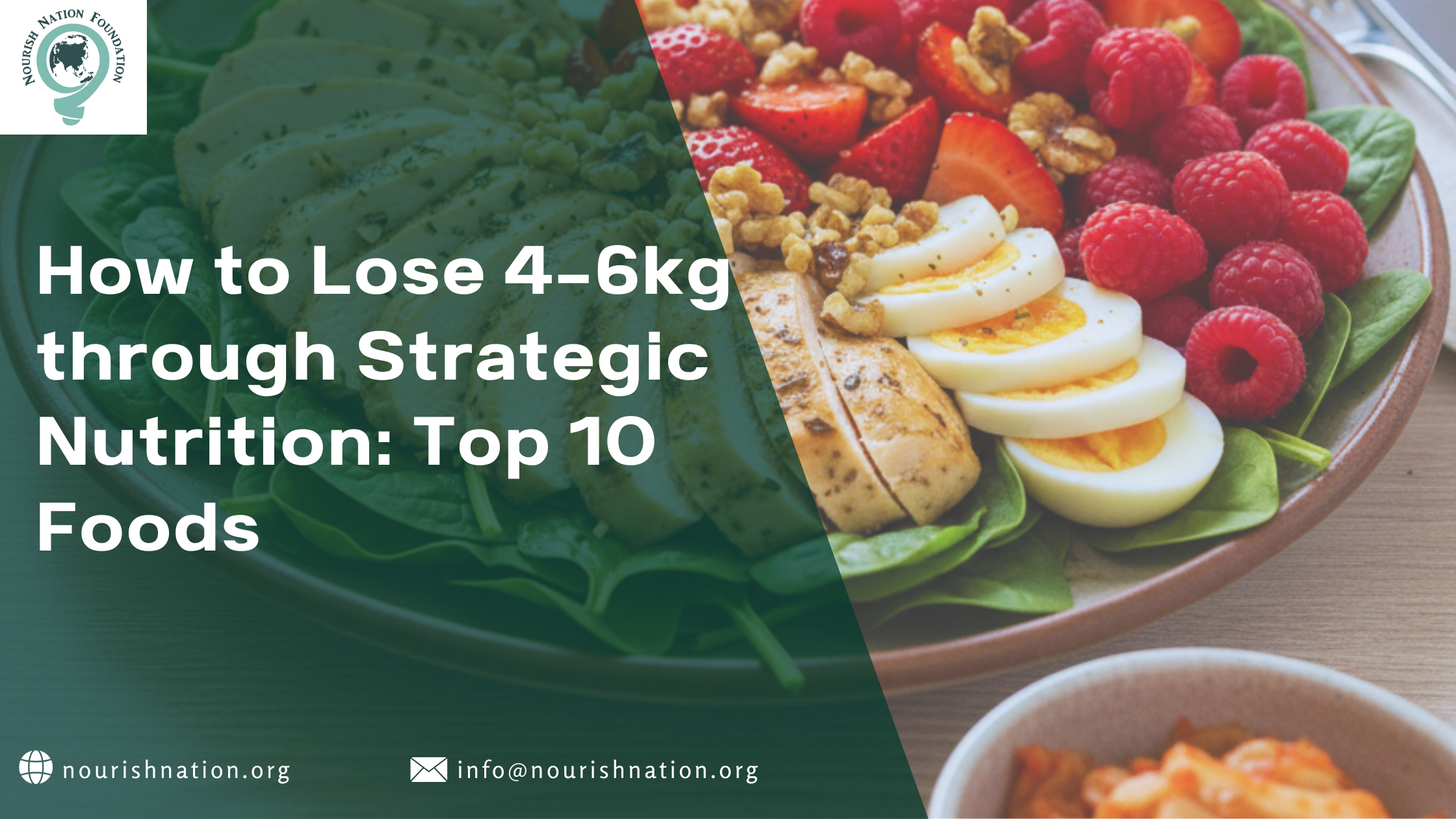
How to Lose 4-6kg through Strategic Nutrition: Top 10 Foods that accelerate healthy weight loss

Losing 4-6kg might seem like a daunting challenge, but with strategic nutrition and the right food choices, it's an achievable goal that can transform your health and wellbeing. According to research published in The Lancet, sustainable weight loss of 0.5-1kg per week through dietary modifications is not only safe but also more likely to result in long-term success compared to rapid weight loss methods.
"Weight loss isn't about deprivation, it's about making smarter food choices that naturally regulate your metabolism, reduce inflammation, and keep you satisfied," explains Dr. Yakindra Timilsena, founder of Nourish Nation and food science researcher. "The foods we'll discuss aren't just low in calories; they actively support your body's fat-burning mechanisms while providing essential nutrients."
A comprehensive 2024 study in Nutrients examining dietary patterns across thousands of participants found that specific nutrient-dense foods can accelerate weight loss while preserving lean muscle mass and supporting metabolic health. The key is understanding which foods provide maximum satiety, optimize hormonal balance, and enhance your body's natural fat-burning capacity.
Understanding Strategic Weight Loss
Losing 4-6kg requires creating a caloric deficit of approximately 28,000-42,000 calories over several weeks. However, the quality of your calories matters just as much as the quantity. Research from Harvard T.H. Chan School of Public Health demonstrates that diets rich in whole foods, fiber, and protein lead to greater weight loss and better health outcomes than simple calorie-restricted diets.
The foods we'll explore work through multiple mechanisms, including increasing thermogenesis (calories burned during digestion), improving insulin sensitivity, reducing inflammation, enhancing satiety hormones, and supporting beneficial gut bacteria that regulate metabolism.
The Science-Backed Top 10 Weight Loss Foods
1. Leafy Greens: The Volume Advantage
Spinach, kale, Swiss chard, lettuce, and collard greens are incredibly low in calories (7-23 calories per cup) but high in fiber and volume. A study published in Appetite found that participants who increased their intake of low-energy-dense foods like leafy greens lost significantly more weight than those who simply reduced portion sizes.
These greens contain thylakoids, which research from Lund University shows can reduce hunger and cravings by slowing fat digestion and increasing satiety hormones. They're also rich in folate, iron, and calcium while being virtually carbohydrate-free.
2. Lean Protein: The Metabolic Booster
Chicken breast, turkey, fish, tofu, and Greek yogurt provides high-quality protein with minimal fat. According to research in the American Journal of Clinical Nutrition, high-protein diets increase metabolism by 20-35% through the thermic effect of food—meaning your body burns more calories digesting protein than carbohydrates or fats.
Protein also increases satiety hormones like GLP-1, peptide YY, and cholecystokinin while reducing the hunger hormone ghrelin. A meta-analysis found that individuals consuming 25-30% of calories from protein lost an average of 3.5kg more than those on standard protein diets over 12 weeks.
3. Cruciferous Vegetables: The Fiber Champions
Broccoli, cauliflower, Brussels sprouts, and cabbage are exceptionally high in fiber while remaining low in calories. A Harvard study tracking 120,000 people over 20 years found that increased consumption of cruciferous vegetables was associated with the greatest weight loss among all vegetable categories.
These vegetables contain compounds called glucosinolates that may enhance liver detoxification and fat metabolism. They're also incredibly filling—one cup of cooked broccoli provides only 55 calories but delivers 5 grams of fiber.
4. Berries: The Smart Sweet Solution
Blueberries, strawberries, raspberries, and blackberries satisfy sweet cravings while providing fiber and antioxidants. Research published in BMJ found that increased berry consumption was associated with less weight gain over time compared to other fruits.
Berries have a low glycemic index, preventing blood sugar spikes that trigger fat storage. They're also rich in anthocyanins, which studies from University of Michigan suggest may help reduce abdominal fat and improve insulin sensitivity.
5. Eggs: The Breakfast Power Food
Whole eggs are nutritional powerhouses that support weight loss through multiple mechanisms. A landmark study in the International Journal of Obesity found that participants who ate eggs for breakfast lost 65% more weight and felt more energetic than those who ate a bagel breakfast with the same calories.
Eggs provide high-quality protein, healthy fats, and essential nutrients like choline, which supports fat metabolism. They're also incredibly satiating—studies show that eating eggs at breakfast reduces calorie intake for the entire day.
6. Legumes: The Sustainable Energy Source
Lentils, chickpeas, black beans, and kidney beans combine protein, fiber, and resistant starch—a type of carbohydrate that resists digestion and acts more like fiber. A systematic review in The American Journal of Clinical Nutrition found that people who included legumes in their diet lost significantly more weight than those who didn't, even without restricting calories.
One cup of cooked lentils provides 18 grams of protein and 16 grams of fiber for only 230 calories. The resistant starch in legumes also feeds beneficial gut bacteria that produce compounds supporting weight management.
7. Avocado: The Healthy Fat Paradox
While calorically dense, avocados contain monounsaturated fats that enhance satiety and reduce overall calorie intake. Research from Loma Linda University found that participants who ate half an avocado with lunch reported 40% less desire to eat over the following hours.
Avocados also improve nutrient absorption from other vegetables and provide 10 grams of fiber per fruit. A study in Nutrients found that regular avocado consumers had lower body weight, BMI, and waist circumference compared to non-consumers.
8. Chia Seeds: The Hydration Expanders
Chia seeds absorb up to 12 times their weight in water, expanding in your stomach to promote fullness. Despite their small size, two tablespoons provide 10 grams of fiber, 5 grams of protein, and 5 grams of omega-3 fatty acids for only 140 calories.
A study published in Nutrition Research found that chia seed consumption reduced appetite and increased satiety. Their high soluble fiber content also slows digestion and helps stabilize blood sugar levels.
9. Green Tea: The Metabolism Enhancer
Green tea contains catechins, particularly EGCG (epigallocatechin gallate), which research from The American Journal of Clinical Nutrition shows can increase fat oxidation by 17% during exercise. Studies indicate that drinking 3-4 cups of green tea daily can increase calorie burning by 75-100 calories.
Green tea also contains caffeine, which works synergistically with catechins to boost metabolism. A meta-analysis of 11 studies found that green tea catechins significantly decreased body weight and helped maintain weight loss.
10. Fermented Foods: The Gut Health Connection
Greek yogurt, kefir, kimchi, sauerkraut, and kombucha support weight loss by optimizing gut bacteria composition. Groundbreaking research from Washington University School of Medicine discovered that the gut microbiome significantly influences metabolism and weight regulation.
A study in Nature found that the ratio of specific gut bacteria differed dramatically between lean and obese individuals. Fermented foods provide probiotics that may shift this balance favorably. Greek yogurt specifically provides high protein (15-20g per serving) while supporting digestive health.
Foods to Limit or Avoid
To successfully lose 4-6kg, minimize consumption of:
- Refined carbohydrates (white bread, pasta, pastries): Spike blood sugar and promote fat storage
- Sugary beverages (soda, sweetened coffee drinks, fruit juice): Provide empty calories without satiety
- Processed snacks (chips, crackers, cookies): High in calories and engineered to promote overconsumption
- Fried foods: Extremely calorie-dense and promote inflammation
- Alcohol: Provides 7 calories per gram and impairs fat burning for up to 24 hours
The Strategic Eating Framework
Beyond choosing the right foods, timing and combination matter:
- Protein at every meal: Aim for 25-30g of protein at breakfast, lunch, and dinner to maintain muscle mass and boost metabolism
- Front-load calories: Research shows eating larger meals earlier in the day supports greater weight loss
- Vegetable volume: Fill half your plate with non-starchy vegetables at each meal
- Healthy fats in moderation: Include small amounts (1-2 tablespoons) of healthy fats to enhance satiety
- Hydration first: Drink 500ml of water before meals; studies show this increases weight loss by 44%
Beyond Nutrition: Supporting Strategies
While food is fundamental, Dr. Timilsena emphasizes that successful weight loss requires a holistic approach:
- Sleep optimization: 7-9 hours nightly; poor sleep increases hunger hormones by 15%
- Stress management: Chronic stress elevates cortisol, promoting abdominal fat storage
- Regular movement: 150 minutes of moderate exercise weekly accelerates fat loss by 30%
- Mindful eating: Eating slowly and without distractions reduces calorie intake by 10-15%
- Meal planning: Planning meals in advance increases adherence to healthy eating by 200%
- Support systems: Working with a nutritionist or support group doubles success rates
The Timeline: What to Expect
Based on research from the International Journal of Obesity, here's a realistic 8-12 week timeline to lose 4-6kg:
- Weeks 1-2: Initial water weight loss of 1-2kg as glycogen stores deplete; energy levels may fluctuate
- Weeks 3-6: Steady fat loss of 0.5-1kg per week; improved energy and reduced cravings
- Weeks 7-10: Continued fat loss; visible changes in body composition and clothing fit
- Weeks 11-12: Approaching goal weight; focus shifts to maintenance strategies
According to the National Weight Control Registry, which tracks over 10,000 successful weight loss maintainers, those who lost weight gradually and focused on whole foods were significantly more likely to maintain their loss long-term.
"At Nourish Nation, we believe sustainable weight loss isn't about restriction—it's about abundance of the right foods," concludes Dr. Timilsena. "By centering your meals around these 10 nutrient-dense foods, you're not just losing weight; you're building a foundation for lifelong health. Start with small changes: swap your morning cereal for eggs and vegetables, include berries as snacks, and ensure protein at every meal. These strategic choices compound into transformative results."
The journey to losing 4-6kg is deeply personal, but with strategic nutrition and these science-backed foods, it becomes an achievable, sustainable goal. Remember: the best diet is one you can maintain for life, not just for a few weeks.
Disclaimer:
The information provided in this article is for educational and informational purposes only and is not intended as medical advice. Individual weight loss results vary based on numerous factors, including age, gender, metabolism, activity level, and existing health conditions. Before beginning any weight loss program, consult with a healthcare provider or registered dietitian, especially if you have any underlying health conditions or take medications. The weight loss timeline and results mentioned are averages and may not reflect your individual experience.